 Donna Kaye
Starting a business in the United Kingdom is a dream for many global entrepreneurs. The UK remains one of the most attractive destinations for foreign investment due to its robust legal system, world-class infrastructure, and a culture that celebrates innovation. However, for an expat, the transition from ‘visionary’ to ‘business owner’ involves navigating a maze of legalities and bureaucratic procedures. Whether you are aiming to launch a tech startup in Shoreditch or a boutique consultancy in Edinburgh, understanding the legal framework is your first step toward success.
1. The Visa Landscape: Your Right to Work
Before you even think about registering a name or renting an office, you must secure the legal right to run a business in the UK. The immigration rules have evolved significantly post-Brexit. For most expats, the Innovator Founder Visa is the primary route. This visa is designed for those looking to set up an innovative, viable, and scalable business. The good news? The UK government recently removed the previous £50,000 minimum funding requirement, making it more accessible, though you still need an endorsement from an approved body.
Other options include the Global Talent Visa for those who are leaders in their field, or the Skilled Worker Visa, which under certain circumstances allows for self-sponsorship, though this is legally complex. If you are already in the UK on a Graduate Visa, you have a two-year window (three for doctoral students) to start a business without needing a specific innovator endorsement immediately.
2. Choosing the Right Business Structure
Deciding how to structure your business is a pivotal legal decision that affects your liability, tax obligations, and administrative workload.
Sole Trader: This is the simplest form. You are the business. While it involves less paperwork, you are personally liable for all business debts. For many expats, this might not be the best route due to visa restrictions that often require a more formal entity.
Limited Company (Ltd): This is the most popular choice for expats. A limited company is a legal entity separate from its owners. This means your personal assets are protected if the business fails. It also tends to be more tax-efficient once you reach a certain profit threshold. You will need to appoint at least one director (who can be an expat) and a shareholder.
Limited Liability Partnership (LLP): Often used by professional services like law or accountancy firms, this combines the flexibility of a partnership with the limited liability of a company.
3. Registering with Companies House
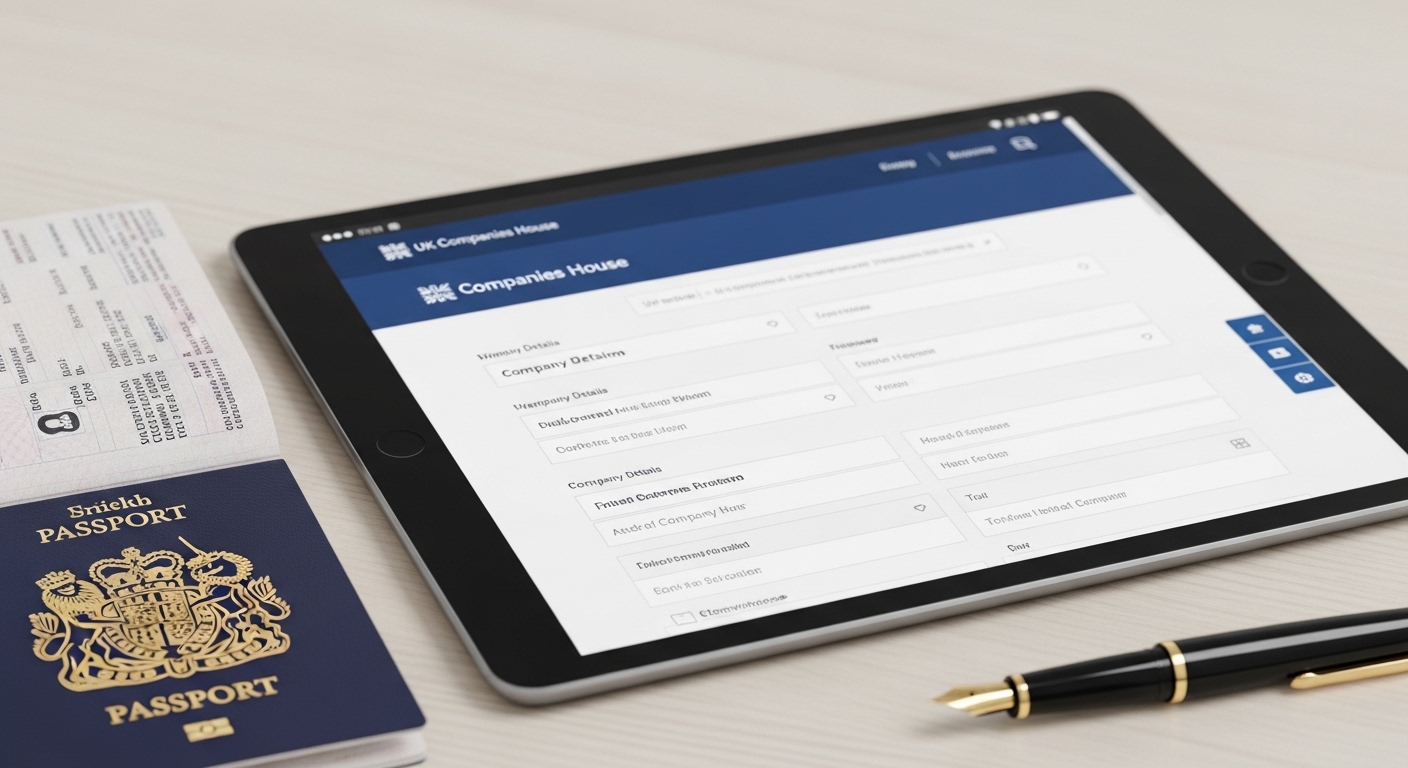
If you choose to form a Limited Company, you must register with Companies House. This process is known as incorporation. You will need to provide a business name (which must be unique and not offensive), a registered office address (which must be in the UK), and at least one director.
During this process, you will also create ‘Articles of Association’—the rules about how the company is run—and a ‘Memorandum of Association,’ which is a legal statement signed by all initial shareholders agreeing to form the company. For expats, using a formation agent or a solicitor is often recommended to ensure all constitutional documents are compliant with the Companies Act 2006.
4. Navigating the Tax System (HMRC)
Once your business is registered, you must notify HM Revenue and Customs (HMRC). The UK tax system is digital-heavy, so you’ll need to get comfortable with the ‘Making Tax Digital’ (MTD) initiative.
- Corporation Tax: All limited companies must pay this on their profits. You must register for Corporation Tax within three months of starting to do business.
- Value Added Tax (VAT): If your taxable turnover exceeds £90,000 (as of 2024), you must register for VAT. Some businesses register voluntarily even if they are below the threshold to reclaim VAT on business expenses.
- PAYE (Pay As You Earn): If you plan to hire employees (including yourself as a director), you must register as an employer and set up a payroll system to deduct income tax and National Insurance contributions.
- Employers’ Liability Insurance: This is mandatory the moment you hire your first employee. Failure to have this can result in fines of up to £2,500 per day.
- Public Liability Insurance: While not always mandatory by law, many clients and landlords will require it before doing business with you.
- Professional Indemnity Insurance: Essential if you are providing advice or professional services.
5. Business Banking and Financial Compliance
Opening a business bank account in the UK as an expat can be surprisingly challenging. Anti-money laundering (AML) and ‘Know Your Customer’ (KYC) regulations are strict. Traditional ‘Big Four’ banks may require the director to be a UK resident or have a significant credit history in the country.
Many expats now turn to ‘challenger banks’ or digital-first platforms like Monzo Business, Revolut Business, or Tide. These platforms often have more flexible onboarding processes for foreign nationals while still providing the necessary IBAN and UK sort codes required to trade.
6. Insurance and Health & Safety
Legal requirements extend to protecting your business and your staff.
Furthermore, you must ensure your workplace (even if it’s a home office) meets UK Health and Safety standards. This involves conducting risk assessments and ensuring a safe environment for any visiting clients or staff.
7. Data Protection (UK GDPR)
In the digital age, data is a legal minefield. The UK GDPR (General Data Protection Regulation) governs how you collect, store, and use personal data. If you are holding any customer information—from email addresses to credit card details—you must register with the Information Commissioner’s Office (ICO) and pay a data protection fee, unless you are exempt. You must also have a clear Privacy Policy on your website.
Conclusion
Starting a business in the UK as an expat is a rewarding venture, but it is not a task for the unprepared. By checking off these legal requirements—from securing the right visa and choosing a structure to mastering HMRC filings and GDPR—you build a foundation that is not only legally sound but also poised for growth. The UK market is vibrant and welcoming; as long as you respect the rules of the game, the possibilities are endless. Welcome to the British business community!