 Donna Kaye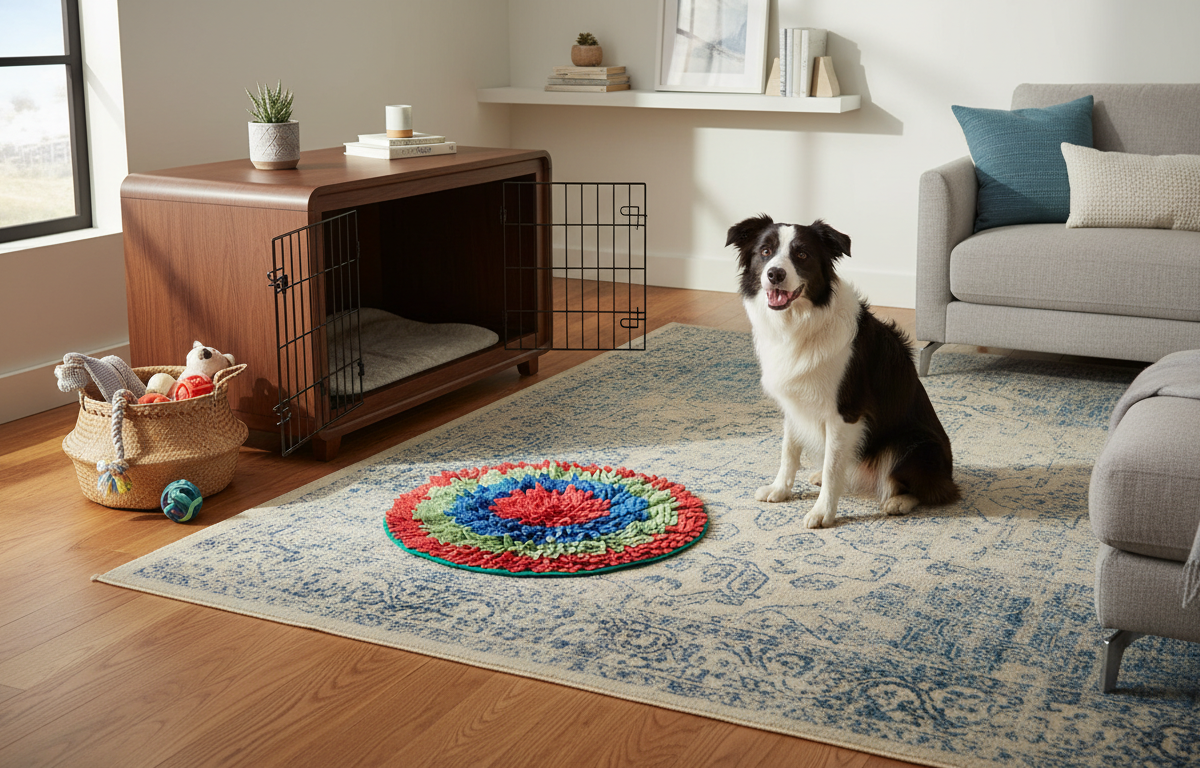
For the modern pet owner, a dog is far more than a mere inhabitant of the household; they are a cherished family member whose well-being is a top priority. However, creating a space that truly caters to a dog’s complex needs requires more than just a soft bed and a bowl of kibble. It involves a thoughtful blend of rigorous safety measures and creative mental enrichment. To foster a thriving environment, one must look at the home through a canine lens, identifying potential hazards while maximizing opportunities for natural behaviors. This guide delves into the essential strategies for crafting a home that is both a secure fortress and an engaging playground for your four-legged companion.
The Foundation: Establishing a Safety-First Mindset
The journey toward a pet-friendly home begins with a comprehensive safety audit. Much like baby-proofing for a toddler, ‘dog-proofing’ requires meticulous attention to detail. Start at the ground level—literally. Get down on your hands and knees to see what your dog sees. Electrical cords, often mistaken for chew toys, should be concealed behind furniture or encased in protective sleeves. Small objects like coins, hair ties, or children’s toys pose significant choking hazards or risks of intestinal blockage and must be kept in secure bins.
Kitchens and bathrooms are often the most hazardous rooms in the house. Many common household items are highly toxic to dogs. Ensure that cleaning supplies, medications, and laundry detergents are stored in high cabinets or behind child-proof latches. Furthermore, be mindful of your ‘human’ snacks. Foods such as grapes, raisins, onions, chocolate, and anything containing the sweetener xylitol must remain strictly out of reach. Even your choice of indoor greenery requires scrutiny; popular plants like lilies, sago palms, and azaleas can be fatal if ingested. Opt for pet-safe alternatives like spider plants or Boston ferns to add life to your space without the risk.
Creating a Physical Haven for Rest
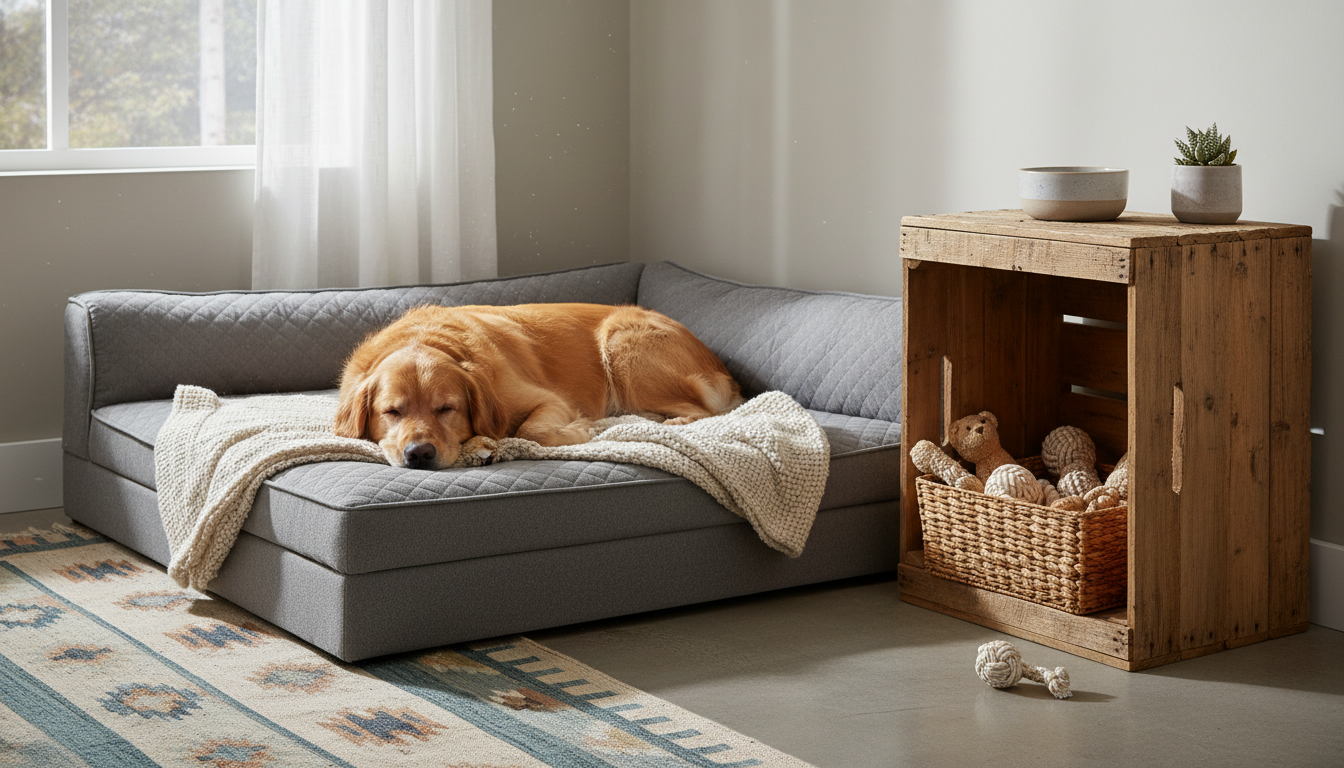
While stimulation is vital, a dog’s environment must also provide a sanctuary for decompression. Dogs are den animals by nature, and they require a dedicated ‘safe zone’ where they can retreat when the household becomes too loud or overwhelming. This area should be located in a quiet corner of the home, away from high-traffic zones.
Invest in a high-quality orthopedic bed that supports their joints, especially for senior dogs or breeds prone to hip dysplasia. The flooring around this area should also be considered; slippery hardwood or tile can lead to injuries. Using non-slip rugs or yoga mats can provide the necessary traction for your dog to stand and move confidently. Temperature control is another often-overlooked factor. Ensure your dog’s resting area is not directly in front of a drafty window or a scorching radiator, as dogs are more sensitive to temperature fluctuations than humans.
The Art of Mental Stimulation and Enrichment
A safe dog is a protected dog, but a stimulated dog is a happy dog. Boredom is often the root cause of destructive behaviors like excessive barking or furniture chewing. To combat this, your home environment should challenge their cognitive abilities. Interactive feeding is one of the most effective ways to provide daily enrichment. Instead of a traditional bowl, use snuffle mats, which encourage dogs to use their noses to find dry food, or stuffable rubber toys that require problem-solving to extract treats.
Rotation is the secret to maintaining interest. If a dog has access to twenty toys at all times, they quickly become ‘background noise.’ Instead, provide only three or four toys at a time and rotate them weekly. This creates a sense of novelty and excitement every time a ‘new’ toy reappears. Consider incorporating ‘scent work’ into your indoor routine. Hiding small, high-value treats around the living room allows your dog to engage in their most powerful natural instinct—their sense of smell—providing a mental workout that is often more tiring than a long walk.
Optimizing the Outdoor and Sensory Experience
If you have access to a yard, it should function as an extension of their stimulating environment rather than just a place to relieve themselves. Ensure fencing is secure and tall enough to prevent jumping, with no gaps at the bottom for digging. For dogs that love to dig, consider creating a designated ‘sandpit’ where they are encouraged to bury and find toys, which protects your manicured garden beds.
Sensory enrichment also extends to what your dog sees and hears. While some dogs enjoy ‘dog TV’ (watching squirrels through a window), for others, it can lead to frustration and barrier reactivity. If your dog barks incessantly at passersby, use frosted window film on the lower half of the glass to block the visual trigger while still letting in light. Conversely, providing a ‘perch’ for a calm dog to watch the world go by can be a great source of passive entertainment. Additionally, background noise like classical music or specialized canine calming frequencies can help mask startling outside noises like sirens or construction, maintaining a peaceful atmosphere.
Conclusion: A Dynamic and Evolving Space
Creating a safe and stimulating environment is not a one-time task but a continuous process of observation and adjustment. As your dog ages, their needs will shift—a high-energy puppy requires more physical outlets and rigorous safety boundaries, while a senior dog may prioritize accessibility and comfort. By combining a proactive approach to safety with a creative commitment to mental enrichment, you do more than just house a pet; you provide a sanctuary where they can truly flourish. A well-designed environment reduces stress, prevents behavioral issues, and ultimately strengthens the profound bond between you and your loyal companion. In the end, a happy dog is a reflection of a thoughtful and well-curated home.